Fluids out first. Then the parts people need. Then the rest.
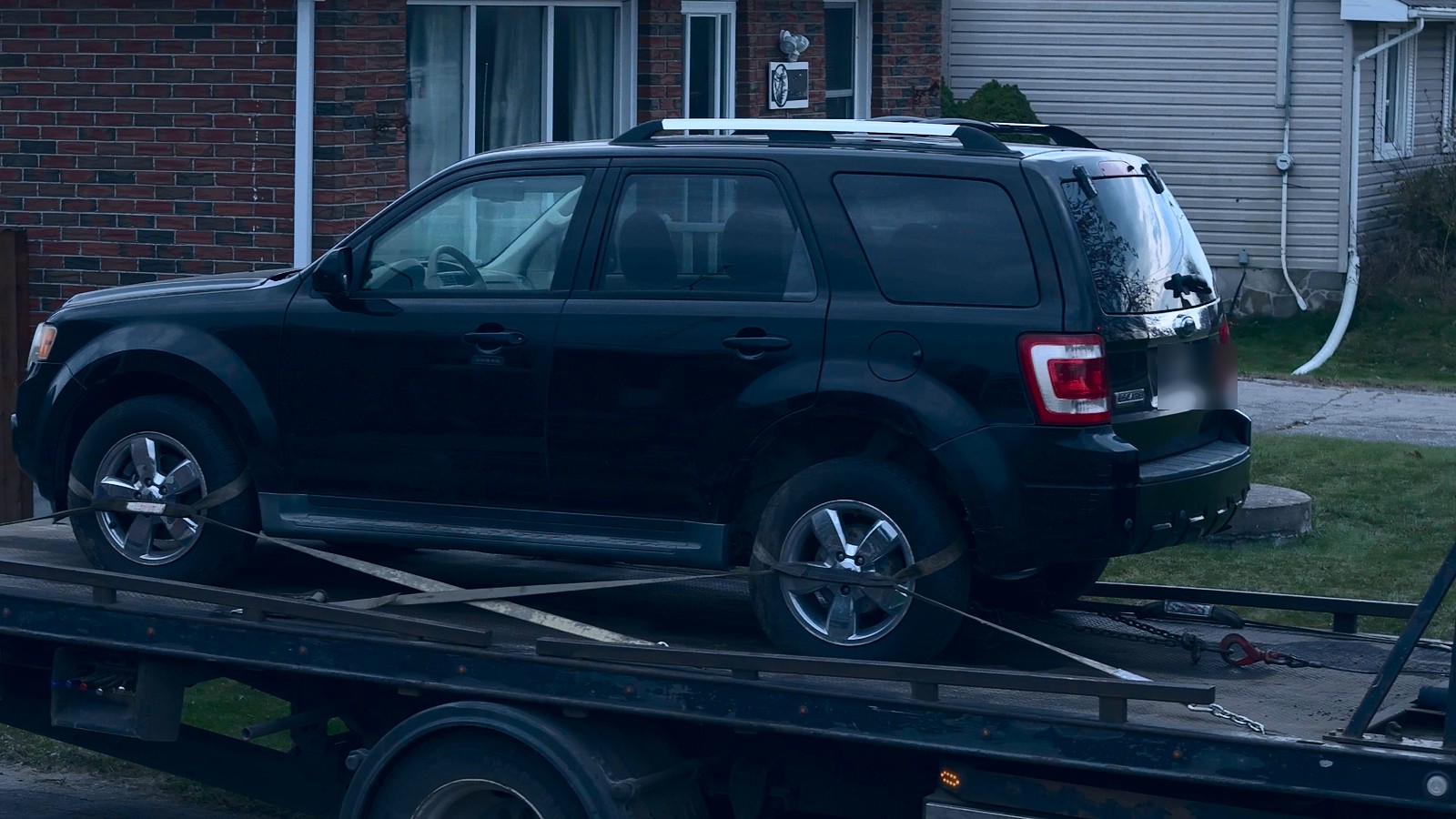
Most people never see the yard. The car goes up on the flatbed, the truck turns the corner, and that is the last they see of it.
It comes off the truck
The car is logged in with the ownership you signed over and parked in a row with the other cars that came in that week. From that point it is ours to deal with. The date on your paperwork is the date it stopped being yours, so keep your copy.
Fluids come out
The car is drained before anything else is done to it: fuel, oil, coolant, brake fluid, washer fluid, and the refrigerant in the air conditioning. That step is most of what separates a recycler from a field full of old cars.
The parts people need
Parts that still work and that people ask for come off and go on the shelf: alternators, starters, doors, mirrors, lights, wheels, and engines and transmissions from cars that didn’t die of engine or transmission trouble. Parts are checked before they go on the shelf, and every part we sell is covered for 30 days. If you ever buy a used door from us, there is a fair chance someone drove it to the yard themselves.
The rest
What is left after the parts come off goes to a recycler and gets used again. Most of a car by weight is steel, and steel comes back as steel.
The plates and your name
Your plates stayed with you, and the ownership you signed moves the car out of your hands as of pickup day. If anything with the car’s plate or VIN on it turns up dated after that, your copy of the paperwork is what settles it.
Written at the yard.
More from the yard
Scrap cars
What decides what a scrap car is worth
Weight, that week’s scrap market, whether it rolls, and what is missing.
Pickup day
What you need to scrap a car in Ontario
The ownership, your plates off, your things out. That is most of it.
Pickup day
Pickup day: how it goes
From the truck turning onto your street to the moment it leaves.
Call the yard
Auto recycling in Clarington since 2017. We buy scrap and junk cars, fleets and dealer stock, and sell used parts with a 30-day warranty.
Member of OARA & Automotive Recyclers of Canada · Read our Google reviews